8 Powerful Reasons Sandstone From Pakistan Marble & Onyx Is the Ultimate Choice for Flooring, Cladding & Outdoor Projects
Sand Stone, When homeowners, architects, and landscape designers search for a natural stone that handles heavy foot traffic, harsh weather, and outdoor exposure better than almost anything else on the market, Sand stone consistently comes up as one of the top recommendations. Sand Stone’s Warm, textured, and available in a wide range of earthy tones, Sand stone has become a go-to material for driveways, garden paths, wall cladding, and courtyard flooring spaces where Cream Marble, Onyx, and even Travertine simply aren’t built to perform.
This guide covers everything buyers actually search for: what Sand stone really is, how it compares to Marble, Onyx, and Travertine, where it’s used slabs, tiles, pavers, cut-to-size pieces, wall cladding, and handicrafts how it’s priced, how to maintain Sand Stone, and why sourcing it directly from a factory that also processes Marble, Onyx, and Travertine gives you better quality control, better pricing, and better turnaround time. At Pakistan Marble & Onyx, we quarry, cut, and finish Sand stone alongside Cream Marble, Onyx, and Travertine in-house, giving architects, contractors, and homeowners a single trusted source for every stage of a project from raw blocks to finished paving, cladding, and hand-carved décor.
What Is Sand stone?
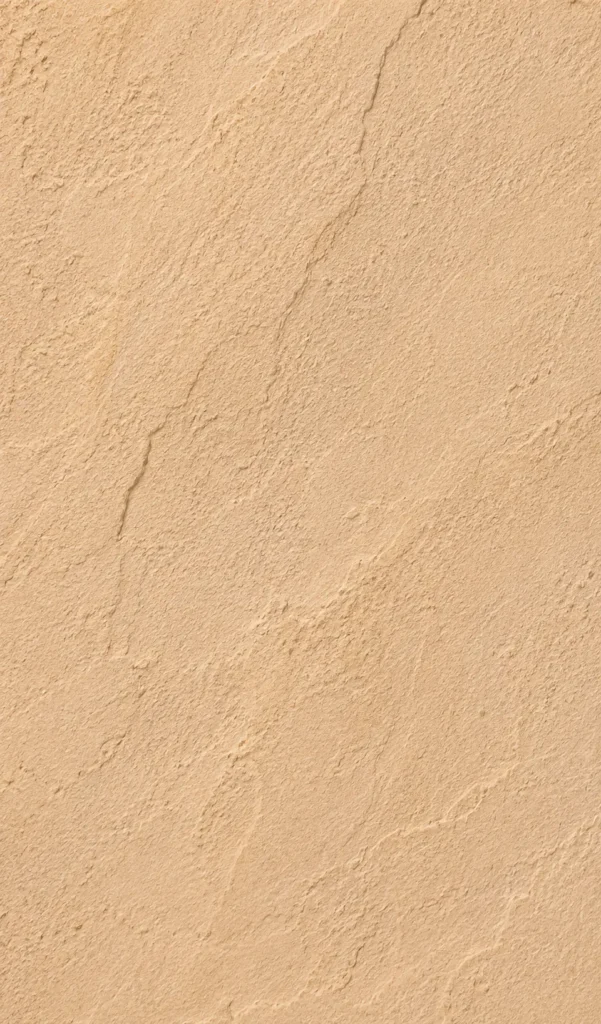
Sand stone is a natural sedimentary rock composed primarily of compacted sand grains usually quartz or feldspar bound together over thousands of years, resulting in a durable, textured stone available in warm tones ranging from buff and beige to deep brown, grey, and mint green. Unlike Cream Marble and Onyx, which form through mineral-rich metamorphic and deposit processes, Sandstone’s grainy sedimentary structure gives it a distinctly rugged, natural texture that performs exceptionally well outdoors and in high-traffic areas.
Because Sand stone is quarried in large, consistent deposits across several regions of Pakistan, Sand Stone has become one of the most cost-effective and widely available natural stones for large-scale flooring, paving, and cladding projects both residential and commercial. At Pakistan Marble & Onyx, our Sand stone is quarried and processed directly from our own facilities, giving buyers consistent grading and reliable supply for projects of any size.
Key characteristics of Sand stone:
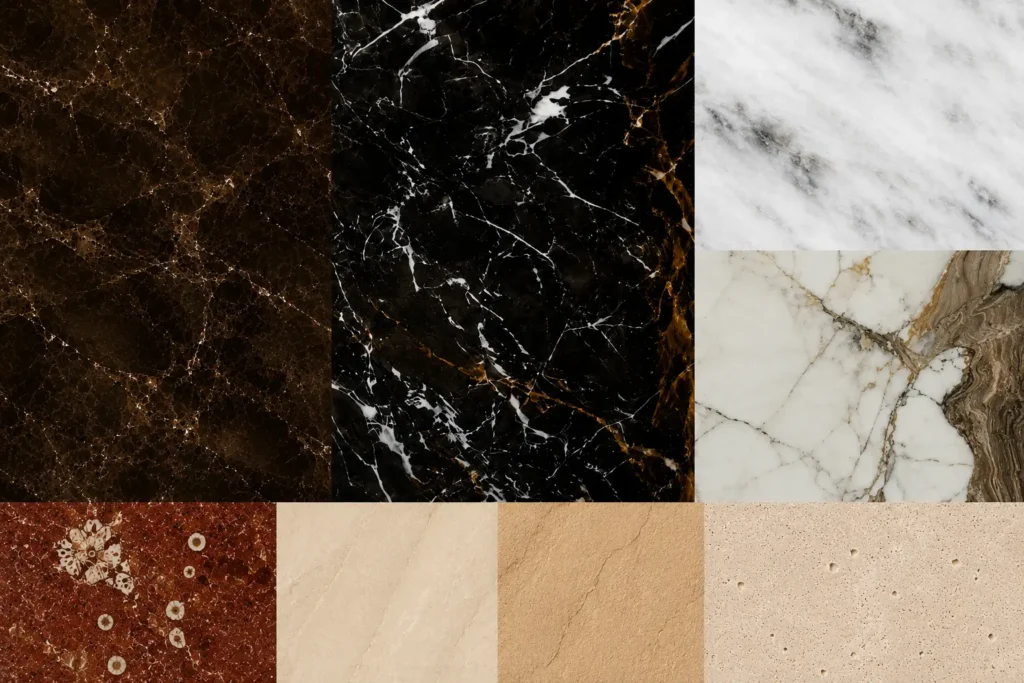
- Color range: buff, beige, mint green, autumn brown, grey, and multi-color blends
- Finish options: natural cleft (split-face texture), honed (smooth, matte), sandblasted (textured, slip-resistant), polished (less common, used for select interior applications), tumbled (aged, rounded-edge look)
- Hardness: rated 6–7 on the Mohs scale — notably harder and more scratch-resistant than Cream Marble, Onyx, or Travertine
- Porosity: medium, benefits from sealing in high-moisture or high-staining environments
- Common quarrying regions: widely sourced from Pakistan’s sand stone-rich regions, known for consistent color bands and large block yields
- Typical formats: slabs, tiles, pavers, cut-to-size cladding panels, cobbles and setts, and cut stone for landscaping features
Sand stone vs Marble vs Onyx vs Travertine: What’s the Real Difference?
Because Sand stone, Cream Marble, Onyx, and Travertine are frequently used together across the same residential or commercial project, buyers need a clear picture of where each stone performs best.
| Feature | Sand stone | Cream Marble | Onyx | Travertine |
|---|---|---|---|---|
| Formation | Sedimentary, compacted sand grains | Metamorphic limestone | Mineral deposits near hot springs/caves | Sedimentary, near mineral springs |
| Appearance | Grainy, textured, earthy tones | Soft cream base with subtle veining | Translucent, banded | Naturally pitted, earthy tones |
| Hardness | Hard, scratch-resistant | Medium | Soft | Medium |
| Best use | Driveways, cladding, garden paving, high-traffic flooring | Countertops, indoor flooring, walls | Feature walls, backlit panels, décor | Pool decks, patios, bathroom tiles |
| Weather resistance | Excellent | Moderate | Poor — best kept indoors | Good |
| Price range | Budget-friendly | Mid-range | Premium | Budget to mid-range |
| Maintenance | Low to moderate, seal for staining resistance | Seal every 6–12 months | Handle with extra care | Seal regularly, fill pits |
In short: if you need a hard-wearing, weather-resistant stone for driveways, garden paths, or building façades, Sand stone is the clear winner. If you want a smoother, more formal look for indoor countertops, Cream Marble takes over. Onyx remains reserved for dramatic indoor accents, and Travertine sits in between well-suited to pool decks and patios but softer than Sandstone for heavy vehicle traffic.
Sand stone Slabs: Large-Format Strength for Flooring & Cladding
Sand stone slabs are the foundation for large flooring areas, courtyard paving, and building façade cladding projects, prized for their ability to be cut into big, consistent pieces without sacrificing durability.
Standard Sand stone slab specifications:
- Standard slab size: varies significantly based on quarry block yield, often larger than typical marble slabs due to Sand stone’s structural consistency
- Thickness options: ranging from thin cladding-grade slabs (10–20mm) up to thick paving and flooring slabs (30–50mm) depending on load and application
- Finish: most commonly supplied in natural cleft or sandblasted finish for flooring and cladding, with honed finishes available for smoother interior applications
- Color-banded slabs: buyers can request slabs matched for consistent color banding across a large flooring or façade area
What drives Sand stone slab pricing:
- Color and grade — rarer color variants and higher-consistency grades cost more than standard buff or grey tones
- Thickness — thicker slabs for heavy-load flooring or vehicle paving cost more than thin cladding-grade material
- Finish — natural cleft is typically the most cost-effective finish, while honed and polished finishes require additional processing
- Slab size and consistency — large, uniform slabs for feature flooring command a premium over standard commercial-grade material
- Sourcing — buying direct from a factory instead of a middleman distributor significantly reduces cost, especially important given how much material large paving and cladding projects require
Sand Stone Tiles: Practical, Versatile & Budget-Friendly
For flooring, wall cladding, and garden paths where a modular format is more practical than large slabs, Sand stone tiles are one of the most requested products in the natural stone industry, thanks to their combination of durability and affordability.
Popular Sandstone tile sizes:
- 12″ x 12″ (300mm x 300mm)
- 16″ x 16″ (400mm x 400mm)
- 18″ x 18″ (450mm x 450mm)
- 24″ x 24″ (600mm x 600mm)
- Random/crazy paving sizes for a natural, irregular garden path look
- Large-format rectangular tiles for modern courtyard and terrace flooring
Common finishes for Sandstone tiles:
- Natural cleft — split-face texture with a rugged, rustic look, ideal for garden paths and driveways
- Sandblasted — textured, slip-resistant surface popular for pool surrounds and outdoor walkways
- Honed — smooth, matte finish for interior flooring and contemporary courtyard designs
- Tumbled — aged, rounded-edge look for a softer, more traditional aesthetic
Sand Stone Pavers, Cobbles & Setts: Built for Outdoor Durability
One of Sand stone’s biggest commercial advantages over Cream Marble, Onyx, and even Travertine is how well it performs under constant weather exposure and heavy foot or vehicle traffic. Sand stone pavers, cobbles, and setts are specifically cut and finished for exterior use driveways, garden paths, courtyards, and public walkways.
Why Sand stone pavers are in such high demand for outdoor projects:
- Exceptional durability under vehicle weight, making it a top choice for driveways where Travertine or marble pavers would be unsuitable
- Natural slip resistance in a sandblasted or natural cleft finish, even in wet conditions
- Weathers gracefully over time, developing a natural patina that enhances rather than detracts from its appearance
- Available in cobble and sett formats for traditional-style courtyards, garden paths, and public plazas
Common Sand stone paver formats:
- Standard square and rectangular pavers in various thicknesses for pedestrian versus vehicle traffic
- Cobblestone and sett formats for traditional courtyard and driveway designs
- Random/crazy paving pieces for a natural, irregular garden path aesthetic
- Cut-to-size stepping stones and garden edging pieces
Sand Stone Wall Cladding: A Signature Architectural Feature
Beyond flooring and paving, Sand Stone wall cladding has become one of the most popular architectural applications for the stone, used extensively on building façades, garden walls, feature walls, and boundary walls.
Common Sandstone cladding formats:
- Natural cleft cladding panels — split-face texture that creates a rugged, dimensional look on exterior walls
- Ledge stone and stacked stone panels — irregular, layered pieces that mimic traditional dry-stone wall construction
- Coursed ashlar cladding — cut into consistent rectangular pieces for a more formal, structured wall appearance
- Random rubble cladding — irregular shapes and sizes for a rustic, natural stone wall look
Sand Stone cladding is especially popular for boundary walls, garden features, and building façades in regions with hot climates, since the stone’s natural insulating properties and weather resistance make it a practical as well as an attractive exterior material.
Cut-to-Size Sand Stone: Precision for Landscaping & Architectural Detail
Beyond standard slabs, tiles, and pavers, most serious suppliers also offer cut-to-size Sandstone services — custom-cut pieces made to a client’s exact measurements for landscaping and architectural detailing.
What cut-to-size Sandstone includes:
- Garden steps and stair treads, cut to precise dimensions for outdoor staircases
- Pool coping and edging pieces, cut with rounded or bullnose profiles
- Window sills, lintels, and thresholds for building façades
- Boundary wall coping stones, cut to match wall width and desired overhang
- Custom garden features — fountains, planters, and edging borders
- Fireplace surrounds and hearths, where Sandstone’s texture and heat resistance are especially valued
Buyers searching for cut-to-size Sandstone or custom stone cutting for landscaping are almost always ready-to-buy commercial or high-intent residential customers — landscape contractors finalizing a garden design, architects specifying a building façade, or homeowners mid-renovation on an outdoor living space.
Sand Stone Countertops & Interior Applications
While Sand stone is best known for outdoor use, it does have a role indoors as well, particularly for buyers who want a rugged, textured look that stands apart from the smoother finish of Cream Marble.
Is Sand Stone good for kitchen countertops? Sandstone can be used for countertops, particularly in honed or leathered finishes, though it is more commonly chosen for rustic-style kitchens, outdoor kitchen countertops, and bar tops rather than formal indoor kitchens, where Cream Marble’s smoother, more refined surface is typically preferred. Sandstone’s excellent heat and weather resistance make it a particularly strong choice for outdoor kitchen and barbecue area countertops.
Sand Stone versus other countertop materials:
| Material | Look | Durability | Maintenance | Price |
|---|---|---|---|---|
| Sandstone | Textured, earthy, grainy | High, especially outdoors | Low to moderate | Budget-friendly |
| Cream Marble | Natural veining, warm tone | Medium-high | Needs sealing | Mid-range |
| Travertine | Earthy, matte, filled holes | Medium | Needs sealing/filling | Budget to mid-range |
| Onyx | Translucent, dramatic | Lower, soft | High care needed | Premium |
Marble, Onyx & Travertine: Where They Complement a Sandstone Project
Most large residential and commercial projects use Sandstone alongside Cream Marble, Onyx, and Travertine rather than relying on a single stone for everything — and understanding where each fits best helps buyers plan a cohesive space.
Sandstone typically anchors the exterior and high-traffic zones of a project — driveways, garden paths, boundary walls, and building façades — where its hardness and weather resistance outperform every other stone in this comparison.
Cream Marble takes over for indoor countertops, bathroom vanities, and formal flooring, where a smoother, more polished surface is desired.
Travertine frequently bridges the two, used for pool decks, patios, and transitional indoor-outdoor flooring where a softer, more filled texture than Sandstone is preferred but more slip resistance than polished marble is needed.
Onyx is reserved for a single dramatic indoor accent — a backlit bar top or feature wall — within a space that otherwise uses Sandstone, Cream Marble, and Travertine for the bulk of the project.
Sandstone & Marble Handicrafts: Beyond Slabs and Tiles
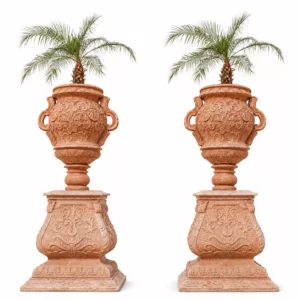
A significant, often overlooked category for natural stone businesses is handicrafts and décor items crafted from Sandstone, Cream Marble, and Onyx offcuts — a category with strong demand from garden and landscaping buyers as well as gift and hospitality procurement teams.
Popular Sandstone, Marble & Onyx handicraft products:
- Sandstone garden ornaments, birdbaths, and planters
- Sandstone garden benches and stepping stones with carved detailing
- Marble carved sculptures and statues for homes, hotels, and offices
- Onyx lamps and nightlights, prized for the way light glows through the translucent stone
- Marble and onyx bowls, trays, and coasters — popular corporate gift and hospitality items
- Sandstone fountains and water feature components
- Custom engraved plaques, house-number stones, and garden signage
A dedicated handicrafts and garden décor collection attracts a completely different buyer segment than slab, tile, and paver customers — often individual homeowners, landscape designers, and corporate gifting buyers — and cross-sells naturally to anyone finishing an entire outdoor living space.
How Much Does Sandstone Cost?
While exact pricing depends on region, grade, and supplier, here’s the general framework for comparing Sandstone quotes:
- Color and rarity — standard buff and grey tones are typically the most cost-effective, while rarer color variants command a premium
- Thickness — thin cladding-grade material costs less than thick paving or flooring slabs
- Finish — natural cleft is generally the most economical finish, while honed and polished finishes add processing cost
- Format — slabs, tiles, pavers, cobbles, and cut-to-size pieces are each priced differently based on processing complexity
- Order volume — large landscaping and commercial paving projects typically unlock wholesale pricing tiers
- Sourcing — buying direct from a factory rather than a multi-layer distributor often significantly reduces cost, especially valuable given the large material volumes typical Sandstone projects require
Is Sandstone cheaper than Marble? Yes, in most cases Sandstone is more budget-friendly than Cream Marble per square foot, particularly in natural cleft and standard color finishes, making it one of the most cost-effective natural stone options for large-scale outdoor flooring and cladding projects.
How to Clean and Maintain Sandstone
To maintain Sandstone, sweep or rinse regularly to prevent dirt and organic matter from settling into the stone’s natural texture, clean with a pH-neutral stone cleaner, and apply a breathable sealant periodically to protect against staining while still allowing the stone to release trapped moisture.
Quick maintenance checklist:
- Sweep or hose down outdoor Sandstone paving and cladding regularly to prevent dirt buildup in the textured surface
- Clean with a pH-neutral stone cleaner, avoiding harsh acidic or alkaline products that can damage the stone’s surface
- Apply a breathable, penetrating sealant rather than a surface-forming sealant, since Sandstone needs to release moisture naturally to avoid trapping damp within the stone
- Remove moss or algae growth promptly in shaded or damp areas using a suitable stone-safe cleaner
- Avoid high-pressure washing at excessive settings, which can erode the stone’s natural texture over time
- Reseal every 1–2 years for outdoor applications, depending on climate and exposure level
Choosing the Right Finish for Your Sandstone Project
| Finish | Look | Best for |
|---|---|---|
| Natural cleft | Rugged, split-face texture | Driveways, garden paths, boundary walls, cladding |
| Sandblasted | Textured, slip-resistant | Pool surrounds, outdoor walkways |
| Honed | Smooth, matte | Interior flooring, contemporary courtyards |
| Tumbled | Aged, rounded edges | Traditional garden paths, rustic patios |
| Polished | Glossy, less common for Sandstone | Select interior feature applications |
Best Design Styles for Sandstone
Sandstone’s rugged, earthy character makes it a natural fit for a specific range of design styles, both indoors and outdoors.
- Rustic & Traditional Courtyards: Natural cleft Sandstone paving paired with cobble edging creates a classic, timeless outdoor space.
- Modern Minimalist Façades: Honed, coursed ashlar Sandstone cladding in a consistent color band creates a clean, contemporary building exterior.
- Mediterranean & Desert Landscaping: Sandstone’s warm, earthy tones and heat resistance make it a natural match for arid-climate garden and courtyard designs.
- Boundary Walls & Garden Features: Random rubble or stacked-stone Sandstone cladding is a favorite for garden walls, fountains, and landscape features.
- Indoor-Outdoor Living: Using matching Sandstone tile formats both inside and just outside a sliding door creates a seamless visual flow between indoor living space and an outdoor patio or courtyard.
Sandstone in Commercial and Landscaping Projects
Beyond residential driveways and garden paths, Sandstone is a favorite among landscape architects, building developers, and commercial contractors working on large-scale exterior and façade projects.
Common commercial applications:
- Building façade cladding, where Sandstone’s durability and natural insulating properties suit both aesthetic and functional exterior design goals
- Public plazas, walkways, and civic spaces, where the stone’s durability and slip resistance suit long-term, high-traffic installations
- Resort and hotel courtyards and driveways, where large paved areas need to be visually consistent and able to withstand vehicle and heavy foot traffic
- Boundary and garden walls for housing developments, where builders standardize on Sandstone cladding across dozens or hundreds of individual homes for cost efficiency and visual consistency
- Heritage and traditional-style architecture projects, where Sandstone’s classic, natural appearance suits restoration and traditional-style new-build projects alike
For commercial-scale projects, consistency across large paved or clad areas is critical — another reason procurement teams prefer sourcing directly from a single factory that can guarantee batch and color consistency across an entire order.
Why Buy Sandstone, Marble, Onyx & Travertine From Pakistan Marble & Onyx
Many architects, contractors, and landscape designers look for a single source that can supply all four stones — Sandstone, Cream Marble, Onyx, and Travertine — as slabs, tiles, pavers, cladding, cut-to-size pieces, and handicrafts, rather than juggling multiple vendors. As a Pakistan-based natural stone factory and exporter, Pakistan Marble & Onyx was built around exactly that need. Here’s why working with a single, direct supplier matters:
- Consistent quality control across an entire project, especially when large paved or clad areas need to match in color and texture across thousands of square feet
- Simplified logistics — one shipment, one point of contact, one invoice, whether you’re ordering locally within Pakistan or exporting internationally
- Better bulk pricing across combined slab, tile, paver, cladding, and cut-to-size orders, since Pakistan Marble & Onyx controls quarrying and processing in-house rather than marking up material bought from third parties
- Faster turnaround for cut-to-size, landscaping, and cladding orders when the factory controls the entire cutting and finishing process in-house
- Access to handicraft add-ons — garden ornaments, planters, fountains — to complete a full outdoor living package without sourcing separately
This full-catalog, one-stop capability is what turns a single inquiry into a long-term customer relationship for both residential renovations and large commercial and landscaping contracts, and it’s the foundation of how Pakistan Marble & Onyx works with architects, contractors, and homeowners across every project size.
A Practical Buying Checklist Before You Order Sandstone
Before placing an order for Sandstone slabs, tiles, pavers, cladding, or cut-to-size pieces, run through this checklist to avoid the most common mistakes buyers make:
- Request physical samples of the actual batch, not just catalog photos, since color banding and texture can vary between lots
- Confirm the correct thickness for your application — thin cladding-grade material is not suitable for driveways or vehicle-traffic paving
- Decide on your finish — natural cleft, sandblasted, honed, or tumbled — based on the area’s slip-resistance and aesthetic needs
- Ask whether the quoted price includes cutting, edge-profiling, and delivery, or if these are billed separately
- Clarify turnaround time for any cut-to-size, cladding, or landscaping feature work before committing to an installation date
- Ask about sealing recommendations specific to your climate and the exact stone batch you’re purchasing
- For large outdoor or façade projects, confirm the supplier can guarantee consistent color and texture across the full order quantity
- For bulk or commercial orders, request a written quality grading standard in the contract
- Ask about crating and palletizing standards if the order is being shipped internationally
Working through this list with your supplier before finalizing an order is the single easiest way to avoid delays, inconsistent color banding, and unexpected costs once installation begins.
Sandstone Color Varieties Explained
Unlike Cream Marble, where buyers primarily choose between subtle veining variations, Sandstone comes in genuinely distinct color families, and understanding these differences helps buyers select the right variant for their design and climate.
- Buff Sandstone: A warm, golden-beige tone that remains the most widely used and requested Sandstone color for driveways, garden paths, and general cladding, thanks to its versatile, universally complementary appearance
- Mint Green Sandstone: A cooler, pale green-grey tone that stands out from typical earth-toned stone palettes, popular for contemporary courtyard and pool surround designs looking for something distinctive
- Autumn Brown Sandstone: A richer, warmer brown tone with subtle color variation across each piece, often chosen for rustic and traditional-style homes and garden features
- Grey Sandstone: A cooler, more neutral tone that pairs well with modern architectural façades and minimalist landscaping designs
- Multi-color Sandstone: Blended pieces combining several natural tones in the same batch, popular for a more varied, natural-looking crazy paving or random cladding installation
Buyers should always request a physical sample of their chosen color variant before a bulk order, since natural color variation between quarry lots means the exact tone can shift subtly from one batch to the next — something Pakistan Marble & Onyx accounts for by offering batch-matched sampling for large orders where consistent color across a project matters most.
Common Mistakes to Avoid When Buying Sandstone
Even experienced contractors occasionally run into avoidable issues with Sandstone orders. Here are the most frequent mistakes buyers make, and how to avoid them:
- Using a surface-sealing sealant instead of a breathable one. Sandstone needs to release trapped moisture naturally. A non-breathable, surface-forming sealant can trap moisture within the stone, leading to discoloration or surface damage over time, particularly in outdoor applications exposed to rain.
- Choosing thin cladding-grade material for a driveway. Cladding-grade Sandstone is cut thin for wall applications and is not designed to bear vehicle weight. Always confirm you’re ordering flooring or paving-grade thickness for any driveway or vehicle-traffic project.
- Underestimating natural color variation across a large order. Because Sandstone forms in natural sedimentary layers, color banding can vary meaningfully between quarry blocks. For large projects, order all material from the same batch wherever possible, and request extra material as a buffer for future repairs.
- Skipping the sealing schedule in high-staining environments. While Sandstone is generally low-maintenance, driveways and courtyards exposed to oil, rust, or heavy foot traffic benefit from periodic resealing to resist staining.
- Choosing a polished finish for outdoor walkways. A smoother, glossier finish becomes noticeably more slippery when wet — natural cleft or sandblasted finishes are the correct choice for any wet, walked-on outdoor surface.
- Not confirming paver thickness for the correct traffic load. Pavers for a pedestrian-only garden path can be thinner than pavers used in a driveway or vehicle-accessible courtyard — always confirm the correct thickness with your supplier based on expected load before ordering.
Avoiding these mistakes up front, in partnership with an experienced direct supplier like Pakistan Marble & Onyx, is far cheaper than correcting them after installation.
Understanding Sandstone Grading for Bulk Orders
Because Sandstone is frequently purchased in large volumes for driveways, façades, and paving projects, grading consistency matters just as much here as it does for any other natural stone — arguably more, given how visible color and texture inconsistency becomes across a large paved surface or building elevation.
General grading factors to look for:
- Color consistency — Premium-grade Sandstone shows minimal color variation within a batch, which matters most for large driveways, courtyards, and façade cladding where mismatched tone stands out immediately
- Grain and texture uniformity — higher grades have a more consistent grain structure across each piece, reducing visual inconsistency in natural cleft and sandblasted finishes
- Fissure and crack frequency — premium material has fewer natural fissures, reducing the risk of cracking during cutting, transport, or installation
- Thickness consistency — top-grade slabs, tiles, and pavers are cut to a more precise, uniform thickness across an entire order, which matters significantly for flooring and paving installations where uneven thickness creates trip hazards
- Edge and finish quality — for cladding and cut-to-size pieces, higher grades have cleaner, more precise edges requiring less on-site trimming or adjustment
Always ask to see a larger sample area, not just a single hand-sized swatch, before committing to a bulk Sandstone order — this is especially important for large driveway, courtyard, or façade projects where the difference between a small sample and thousands of square feet of installed material can be more noticeable than buyers initially expect.
Frequently Asked Questions
What is Sandstone used for? Sandstone is used for driveways, garden paths, wall cladding, building façades, boundary walls, courtyard paving, pool surrounds, and decorative garden features like fountains, planters, and benches.
Is Sandstone good for driveways? Yes, Sandstone is one of the best natural stone choices for driveways due to its high hardness rating and excellent resistance to vehicle weight and weathering, particularly in a natural cleft or sandblasted finish.
What is the difference between Sandstone, Marble, and Travertine? Sandstone is a hard, textured sedimentary rock best suited for driveways, cladding, and heavy-traffic outdoor areas; Cream Marble is a smoother, more formal metamorphic stone best suited for indoor countertops and flooring; Travertine is a softer, porous sedimentary stone best suited for pool decks and patios.
Is Sandstone cheaper than Marble? Yes, in most cases Sandstone is more budget-friendly than Cream Marble per square foot, particularly in natural cleft and standard color finishes, making it a cost-effective choice for large-scale outdoor projects.
Can Sandstone be used for building façade cladding? Yes, Sandstone is one of the most popular natural stones for building façade cladding due to its durability, weather resistance, and natural insulating properties, available in natural cleft, coursed ashlar, and stacked-stone cladding formats.
How do you clean and maintain Sandstone? Sweep or rinse regularly to prevent dirt buildup in the textured surface, clean with a pH-neutral stone cleaner, and apply a breathable sealant periodically to protect against staining while still allowing the stone to release moisture.
Is Sandstone suitable for pool surrounds? Yes, Sandstone in a sandblasted or natural cleft finish offers excellent slip resistance for pool surrounds, though Travertine is sometimes preferred for a smoother, cooler underfoot feel directly around the pool edge.
What sizes do Sandstone tiles and pavers come in? Common tile sizes include 12×12″, 16×16″, 18×18″, and 24×24″, while pavers, cobbles, and setts are typically cut to project-specific thickness for either pedestrian or vehicle-traffic areas.
Where can I buy Sandstone slabs, tiles, pavers, or cladding? Direct factory suppliers who process Sandstone alongside Cream Marble, Onyx, and Travertine in-house typically offer the best combination of pricing, quality control, and custom cut-to-size service for both retail and bulk commercial orders. Pakistan Marble & Onyx supplies all four stones as slabs, tiles, pavers, cladding, cut-to-size pieces, and hand-carved décor, direct from our own factory in Pakistan, for both local and international buyers.
Can Sandstone be combined with Marble, Onyx, or Travertine in the same project? Yes, and it’s one of the most common design approaches in both residential and commercial projects — using Sandstone for driveways, cladding, and garden paths, Cream Marble for indoor countertops and vanities, Travertine for pool decks and patios, and a small Onyx feature for a dramatic indoor accent.
Final Takeaway
Sandstone occupies a category all its own: harder and more weather-resistant than Cream Marble, Onyx, or Travertine, and significantly more budget-friendly for large-scale outdoor projects like driveways, garden paths, and building façades. Whether you’re sourcing slabs for a courtyard, tiles for garden paving, pavers for a driveway, cladding for a building façade, or handcrafted garden ornaments and fountains, Sandstone deserves a place at the top of your shortlist for any outdoor or heavy-traffic project. Pairing it with Cream Marble surfaces, Travertine patios, and Onyx accents from the same trusted supplier is how the best-finished homes, resorts, and commercial spaces come together — combining durability, beauty, and value in a single sourcing relationship.
At Pakistan Marble & Onyx, we quarry, cut, and finish Sandstone, Cream Marble, Onyx, and Travertine ourselves, so every slab, tile, paver, cladding panel, cut-to-size piece, and handcrafted item you order comes from one trusted, quality-controlled source. Get in touch with our team today for samples, pricing, and a free quote for your next project.